Section heading
Chopta Tungnath in Winter: Why It's One of the Best Snow Treks You Can Do
Most people think of Chopta Tungnath as a monsoon or autumn trek — a green, misty walk to the world's highest Shiva temple. But trek it in winter, and you get an entirely different experience: a quiet, snow-draped trail, star-clear mountain views, and one of the most accessible Himalayan snow summits in India. If you're deciding when to do this trek, here's the case for going in winter.

Where Is Chopta Tungnath
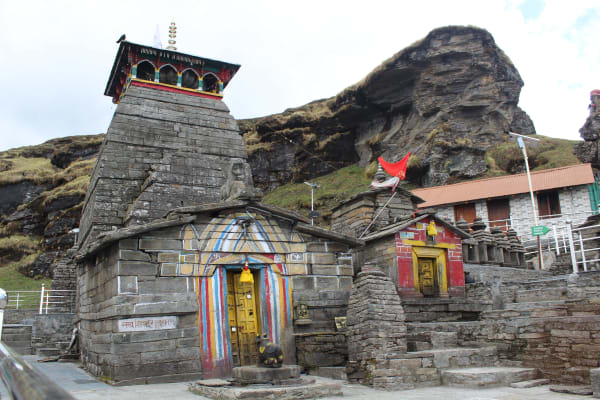
Chopta is a small alpine meadow in Rudraprayag district, Uttarakhand, often called the "Mini Switzerland of India" for its rolling grasslands and pine-deodar forests. From Chopta, a roughly 3.5 km trail climbs to Tungnath Temple, the highest Shiva temple in the world at about 3,680 m (12,073 ft), and part of the Panch Kedar pilgrimage circuit. From the temple, a further 1.5 km climb leads to Chandrashila summit at around 4,000 m (13,123 ft) — the actual high point of the trek.
Why Winter Is the Best Time for This Trek
- 1You get a real snow trek, not just a walk By late December, snow settles across the upper trail and the Chandrashila ridge. What's a straightforward forest walk in September becomes a proper winter trek in January — crampons-optional but definitely a different level of experience underfoot.
- 1The crowds disappear Tungnath sees heavy pilgrim and tourist traffic during the Char Dham season (May–June) and again in autumn. Winter strips that away almost entirely. You'll often have long stretches of trail — and sometimes the summit itself — to yourself.
- 1The visibility is unmatched Winter's dry, cold air means minimal haze. From Chandrashila, you get a genuinely wide Himalayan panorama — Kedarnath, Bandarpoonch, Chaukhamba, Nanda Devi, and Trishul are all visible on a clear day, often more crisply than in the humid post-monsoon months.
- 1It's short, which makes winter conditions manageable Unlike multi-day winter treks like Kedarkantha, Chopta Tungnath is compact — most trekkers summit and descend within a single long day from Chopta. That means less cumulative cold exposure, less gear to carry, and a lower barrier to entry for a first winter trek.
- 1Sunrise from Chandrashila hits differently in winter Snow-lit peaks catching first light is a different experience from a green-meadow sunrise. Many trekkers who've done both seasons say the winter sunrise from Chandrashila is the more memorable of the two.

Things to Know Before You Go in Winter The temple itself closes for winter. Tungnath's deity is ceremonially moved down to Ukhimath around late October/November, and the temple complex shuts for the season. You can still trek to and past the temple building, but it won't be an active pilgrimage stop. Trail conditions vary by snowfall. Some winters bring heavy snow from early December; others stay relatively bare until January. Check recent conditions before you go. Chopta itself gets cold. Overnight temperatures at the base can drop below freezing, so your stay in Chopta needs proper cold-weather gear even before you start climbing. Roads can be affected by snowfall. Access roads to Chopta occasionally see temporary closures after heavy snow — build a buffer day into your plan if you're travelling during a fresh-snow period. Difficulty Level
Chopta Tungnath is rated easy to moderate, and winter conditions push it slightly toward the moderate end due to snow, ice patches near the ridge, and cold-weather demands — but it remains one of the most beginner-accessible Himalayan winter treks in India. No technical skills are needed, though trekking poles and proper winter footwear make a real difference on the Chandrashila stretch.
Section heading
What to Pack for a Winter Trek
Clothing
Thermal base layers Fleece + insulated down jacket Windproof/waterproof outer shell Woolen cap, gloves, neck gaiter Trekking pants, 3–4 pairs of trekking socks
Footwear
Waterproof trekking shoes with good grip Gaiters, if there's fresh snow on the trail
Gear
Trekking poles Headlamp with spare batteries Sunglasses (snow glare protection) Daypack, water bottle, sunscreen

Sample Itinerary
1: Arrive in Chopta, acclimatize, overnight stay Day 2: Chopta to Tungnath to Chandrashila summit, sunrise/sunset views, descend to Chopta Day 3: Depart from Chopta
(Some trekkers extend this into a longer trip combining Chopta Tungnath with Deoriatal or other nearby short treks.)